
Pooja Room Vastu Tips: 17 DOs & 19 DON’Ts for a Peaceful Home
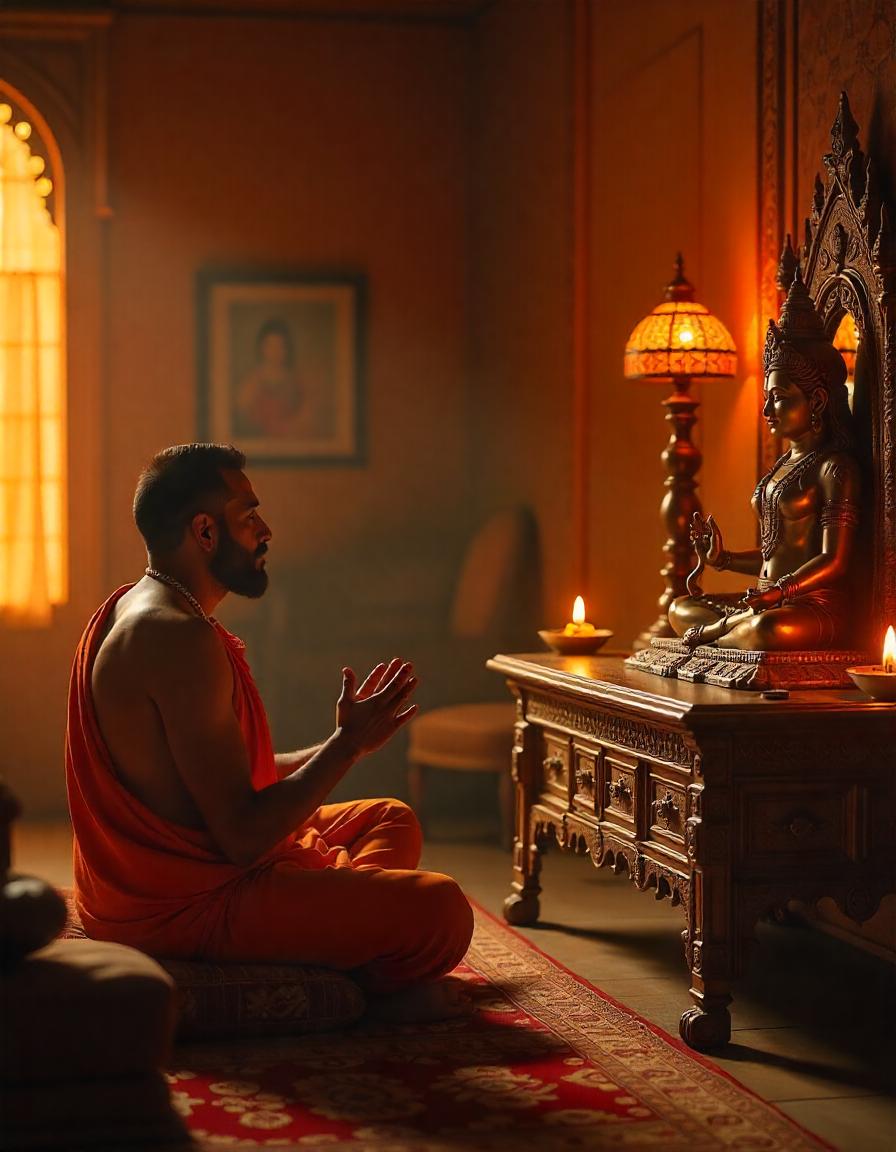
Creating a spiritual space at home begins with the right Pooja room Vastu. A well-aligned prayer room attracts positivity and peace. Here’s everything you need to know to align your home with divine energies.
✅ 17 Vastu DOs for Your Pooja Room
- Always place your Pooja room in the northeast corner. It’s considered the most sacred direction as per Vastu.
- Opt for white, cream, or light yellow walls. These shades enhance calmness and purity in the space.
- Always sit facing east or north while performing daily rituals or meditations.
- Place idols so they are not taller than 9 inches and always below eye level when seated.
- Clean the Pooja room every day before lighting the diya or incense sticks.
- Diya or lamp should be on the right-hand side of the deity.
- Traditional metals like copper or brass are Vastu-friendly and ideal for offerings.
- Ensure the Pooja setup is not directly on the floor. Use a wooden or marble base.
- Fresh flowers invite divine energy. Replace wilted ones immediately.
- Ringing a bell creates positive vibrations and removes negative energy.
- A Kalash filled with water and mango leaves symbolizes abundance and purity.
- Your prayer room should have natural light and fresh air for spiritual flow.
- Include Om, Swastik, or lotus motifs. These symbols boost spiritual energy.
- Ensure no noise or distractions disturb the peace of the room..
- Burning a ghee lamp every evening brings peace and divine blessings.
❌ 19 Vastu DON’Ts to Avoid Negativity
- Avoid using a bedroom for prayer. It disrupts spiritual focus.
- South direction attracts tamasic energy and must be avoided.
- Remove damaged idols immediately. They block positivity.
- Avoid unnecessary items, photos, or papers near the altar.
- Dark colors absorb energy. Stay away from black and red tones.
- No cabinets or lofts should be above the sacred space.
- Never locate your Pooja space under stairs. It's considered inauspicious.
- Do not mix your Pooja room with study or storage functions.
- Deities should face you, not one another.
- Only fresh or real flowers should be offered to the deities.
- Ancestral or memorial photos do not belong in the Pooja room.
- Basement Pooja rooms block natural energy flow.
- Sleeping in the Pooja room disrupts its sanctity.
- Bright or loud patterns reduce the room’s tranquility.
- A diya should be extinguished properly, never left to burn out on its own.
- Use natural elements like wood, copper, or brass instead.
- Keep this space separate from laundry or food storage areas.
- Holy texts must be well-preserved. Replace damaged ones respectfully.
- Never place the Pooja room against a bathroom wall.